How Solar Can Work Like Tenant Farming — Understanding Agrivoltaic Lease Payments
A Familiar Model, A New Opportunity
Tenant farming has long been a part of this countries agricultural story. Landowners lease ground to farmers, the land stays productive, and both sides benefit. It’s a model built on trust, clear agreements, and shared prosperity.
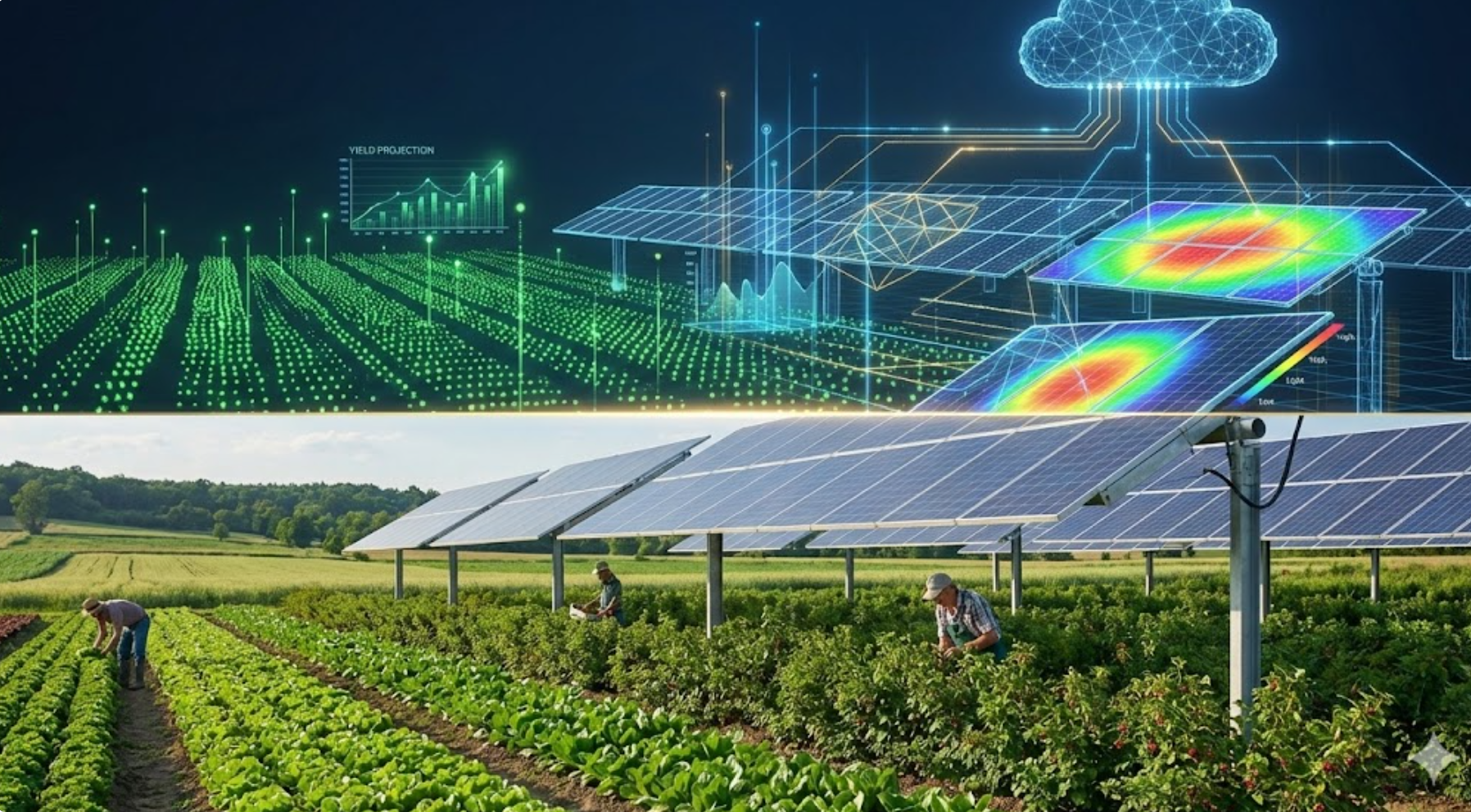
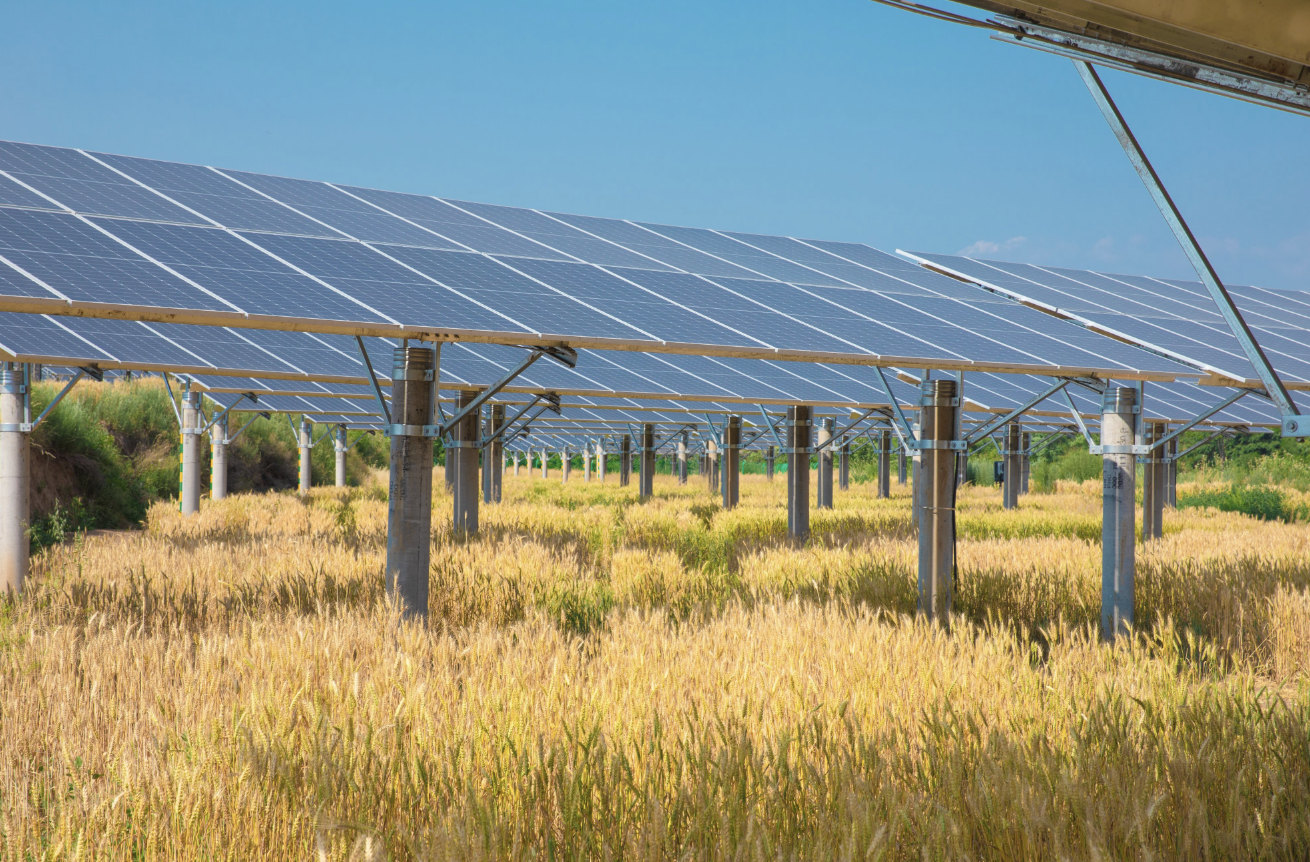
Agrivoltaics isn’t so different. Think of it as a new kind of “tenant” where solar panels rent a part of your land while you continue farming it. Instead of replacing crops, grazing, or pollinators, agrivoltaics complements them, providing farmers with a stable new income stream while keeping land in production.
For family farmers, where commodity prices swing and energy costs climb, this model offers not just income but resilience.
The Three Phases of an Agrivoltaic Lease
Every agrivoltaic lease follows a familiar cycle, much like tenant farming or cash rent agreements.
1. Option Period (Planning Stage)
During this time, the developer evaluates your land. Soil, topography, grid access, and crop/livestock compatibility are studied. Farming continues uninterrupted. And you will receive a quarterly “option payment” for the developer’s right to move forward.
Think of this like a farmer securing ground in advance: the agreement gives both sides time to prepare without major commitments.
2. Construction Period (Transition Stage)
If the project moves forward and is approved, construction begins. This involves placing solar panels, adjusting fencing, and preparing grazing or crop layouts. Farmers collaborate with Okovate to ensure tractors, harvesters, irrigation, crops and livestock remain central to the plan. Quarterly payments to the landowner increase at this stage.
Similar to when a tenant farmer invests in improvements before planting, it’s a setup stage that lays the foundation for long-term returns.
3. Operations Period (Steady-State Stage)
The system has been built, and solar panels have begun producing power. At this stage the farmer receives annual lease payments, based on a per acre rate and on top of existing farm income. Farming continues with grazing animals, row crops, or pollinators integrated into the solar design. In many cases, farmers also see reduced or eliminated electric bills, adding even more value.
This is the long-term phase where lease payments are predictable, contracted, and guarnteed (often 20–30 years).
How This Looks for Different Farmers
Grain Farmers
- Lease payments can stabilize income when commodity prices dip.
- Shaded microclimates may help during hot, dry summers, reducing irrigation costs.
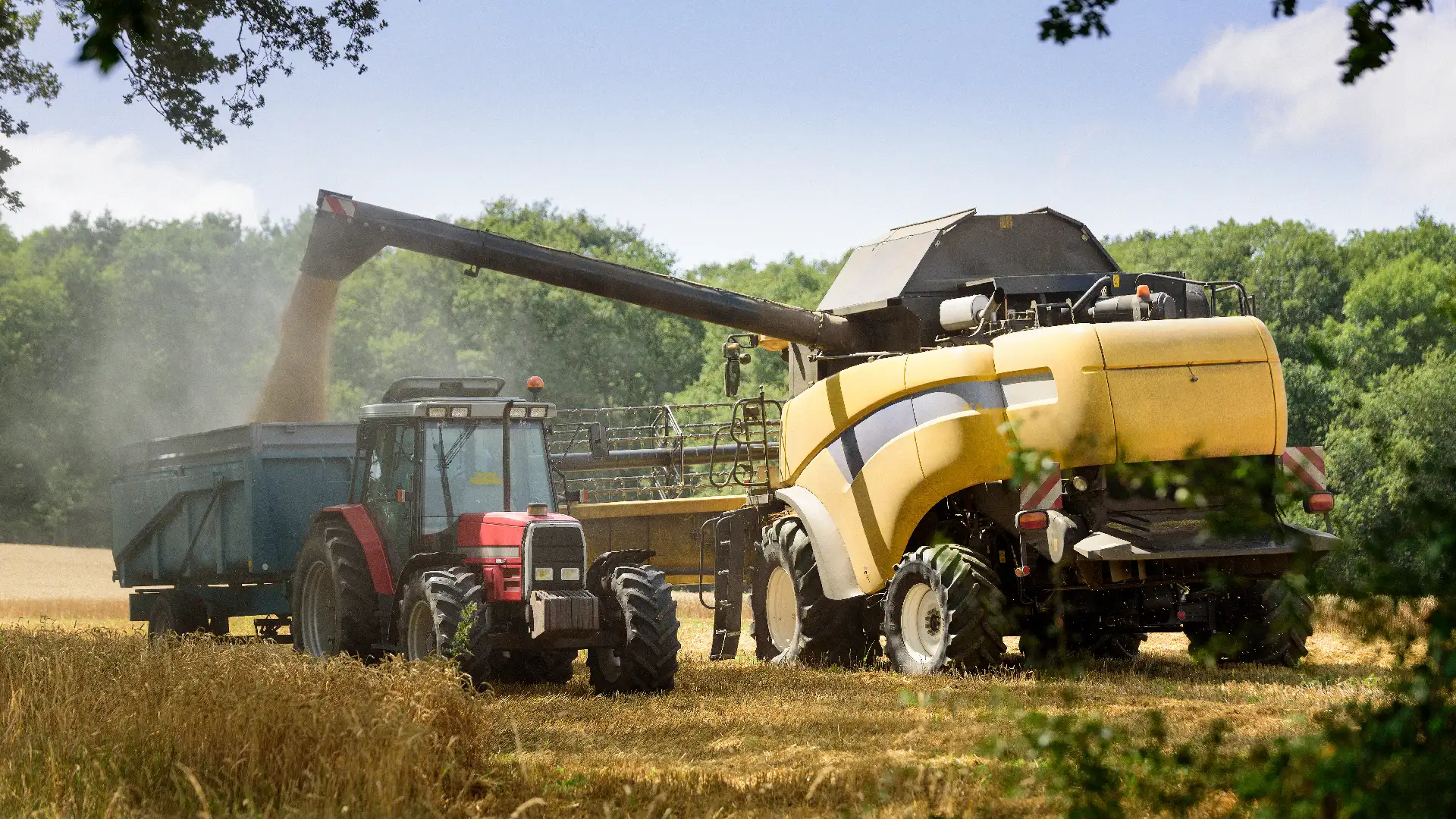
- Equipment-friendly layouts ensure tractors and combines still operate smoothly.
Sheep & Cattle Operations
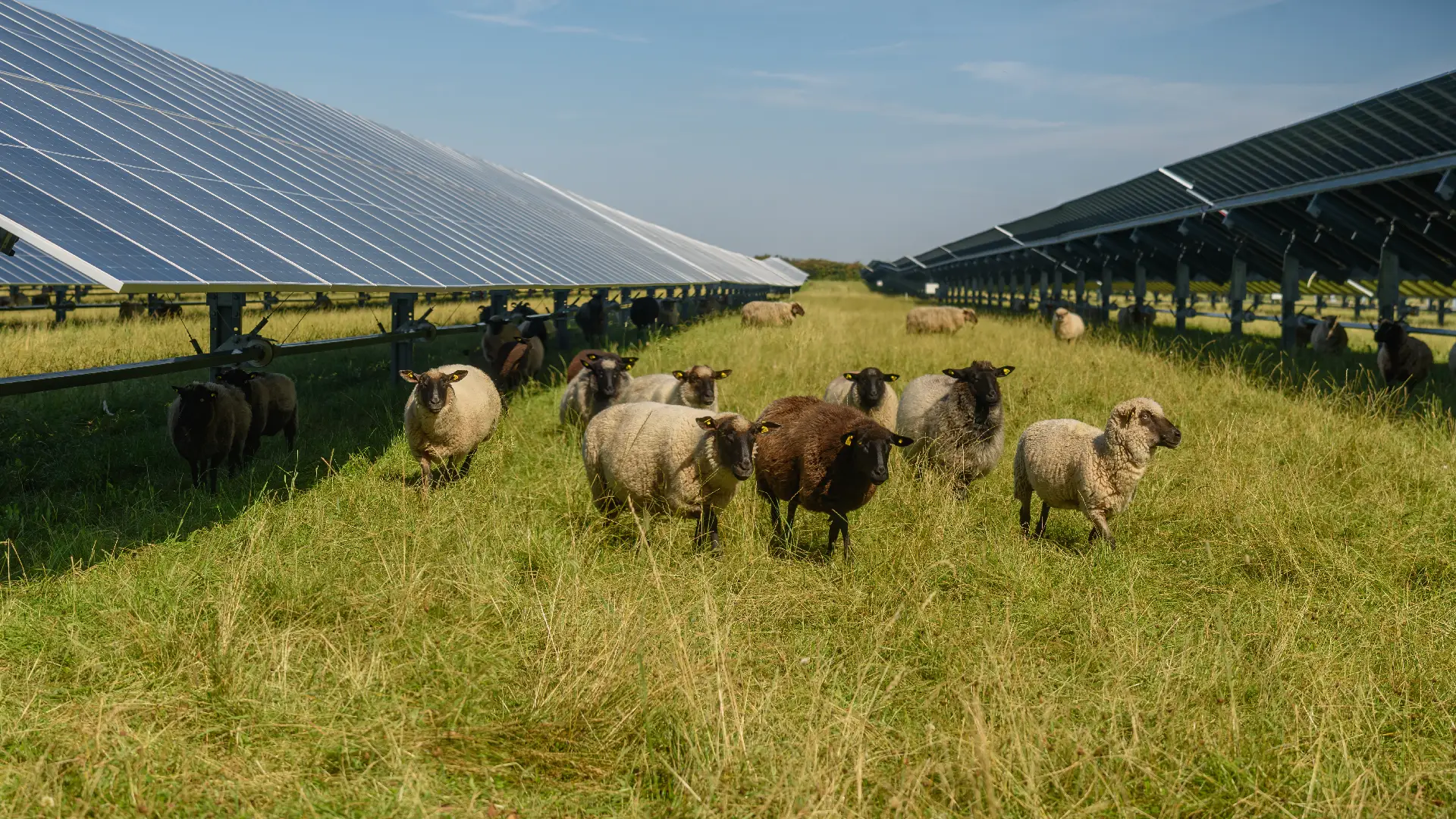
- Grazing beneath panels provides shade, lowering livestock heat stress.
- Land stays productive as pasture, while lease checks provide reliable supplemental income.
- Energy savings can offset high operating costs with dairy operations.
Poultry Farmers
- Solar structures can provide shade for outdoor runs.
- Pollinator species grown between panels on open land can support conservation goals.
- Energy savings can offset high operating costs during hot summer months.
Specialty Growers (Vegetables, Fruits, Pollinators)
- Shade-tolerant crops (leafy greens, berries, broccoli) often thrive under panels.
- Pollinator habitats around arrays improve fruit set and honey production.
- Agrivoltaic Systems work great with U-Pick opperations.
A Checklist for Farmers Considering an Agrivoltaic Lease
If you’re approached with a lease, ask yourself:
- Does this allow me to keep farming the land?
- Are the payments clear, fair, and escalating over time?
- Does the agreement protect my soil and water?
- Is there a plan for grazing, crops, or pollinators on the land?
- Does it cover cleanup and decommissioning at the end of the lease?
If the answer to these is “yes,” you’re looking at a solar agreement thats farmer first.
A Lease That Works For Farming
Maryland farmers don’t need more complexity, they need clarity, fairness, and stability. Agrivoltaic leases are built to provide just that. Like tenant farming, they are agreements rooted in shared use of the land. They are built to protect against price swings and raising energy costs while keeping farmland productive for future generations. Lease payments are just one piece of the puzzle but they’re the foundation of a farmer-first partnership.
If you have questions about a solar lease, or would like to learn more, reach out today!